
Crafting content that truly engages your audience is both an art and a science. It requires a deep understanding of who your ideal customers are. This understanding forms the foundation of a successful content strategy.
A well-crafted content strategy can attract and retain your ideal customers. It involves more than just creating content; it’s about creating the right content. This means content that resonates with your audience and meets their needs.
To achieve this, you need to define clear goals and conduct thorough research. Knowing your audience’s preferences and pain points is crucial. This knowledge allows you to tailor your content to their specific needs.
In this guide, we will explore how to create a content strategy that captivates your audience. We will provide actionable steps and insights to help you engage your ideal customers effectively.
Why Content Strategy Matters for Attracting Ideal Customers
A solid content strategy is crucial for attracting customers who align with your brand. These are individuals who resonate with your products or services. A strategic approach ensures that your content consistently speaks to their needs and interests.
Here’s why a content strategy matters:
- It increases brand awareness and customer loyalty.
- It builds trust and credibility with your audience.
- It guides potential customers through the buyer’s journey.
Creating a content strategy helps in differentiating your business from competitors. It allows you to highlight your unique value proposition effectively. This clarity attracts those most likely to become loyal customers.
Moreover, a content strategy enables consistent, valuable, and relevant content creation. Such content not only attracts but also retains an audience that feels understood and valued. By aligning content with customer expectations, you enhance engagement and conversion rates.
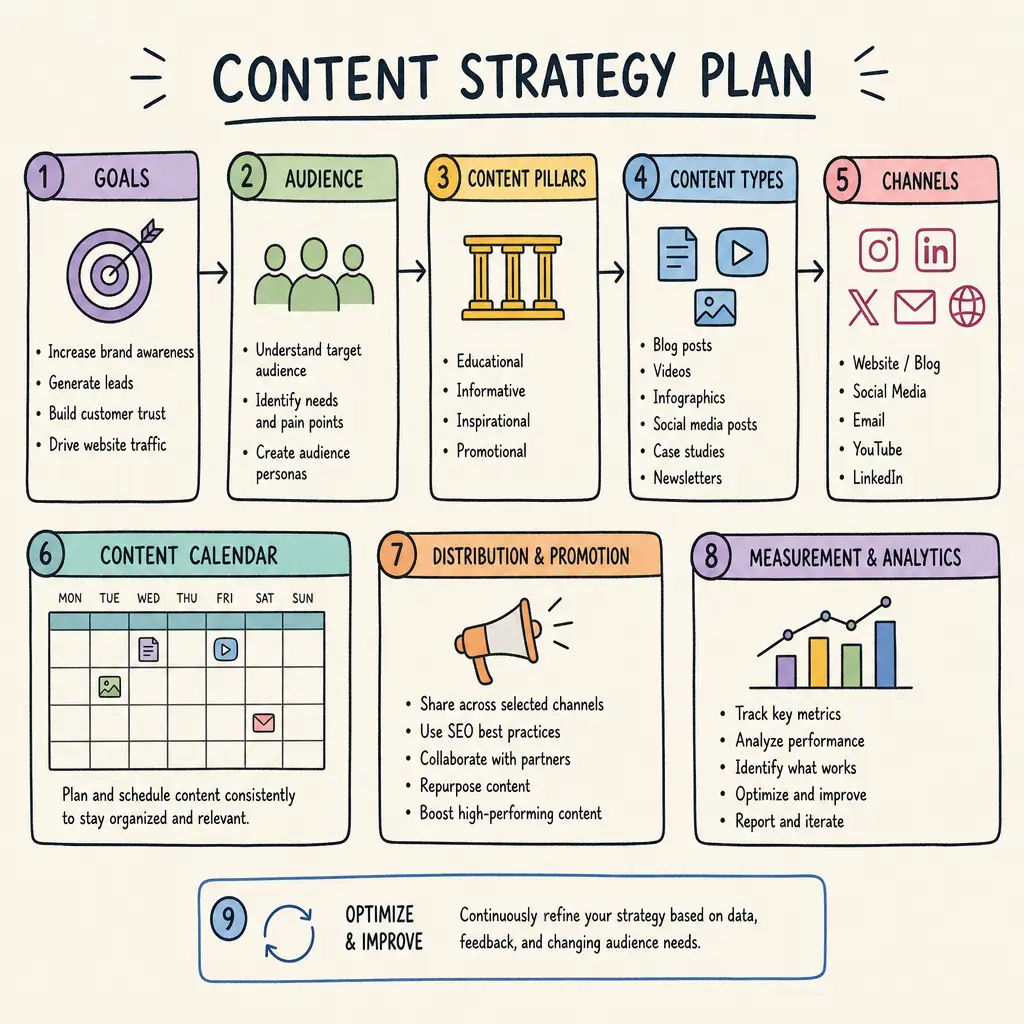
Ultimately, a well-defined content strategy is the backbone of successful content marketing. It bridges the gap between your business goals and customer needs, ensuring both are met.
Defining Your Ideal Customer: Research and Personas
Understanding your ideal customer is the cornerstone of effective content marketing. It starts with thorough research and the creation of detailed buyer personas. These personas represent the characteristics of your target audience.
Start with market research to gather valuable insights. Look for patterns in demographics, interests, and online behaviors. Understanding these patterns helps tailor content that genuinely resonates.
Buyer personas go beyond basic demographics. They include:
- Goals and challenges
- Buying habits
- Content preferences
This detailed information guides content creation. It ensures you address your audience’s pain points and provide solutions.
Creating these personas involves combining data from various sources. Use interviews, surveys, and analytics to paint a complete picture. This comprehensive approach gives you a competitive edge.

When your content speaks directly to your ideal customer, engagement rates soar. Personas help ensure every piece of content is relevant and relatable. That relevance drives not just engagement, but also conversion and loyalty.
Setting Clear Goals for Your Content Marketing Strategy
Clear goals are the foundation of a successful content marketing strategy. They provide direction and a means to measure success. Without goals, your efforts may become unfocused and ineffective.
Begin by identifying what you hope to achieve with your content. Whether it’s increasing brand awareness or generating leads, clear objectives are essential. They guide content creation and distribution decisions.
Set SMART (Specific, Measurable, Achievable, Relevant, and Time-bound) goals. Consider goals like:
- Increasing website traffic by 20% in 6 months
- Gaining 500 newsletter subscribers within 3 months
- Boosting social media engagement by 15% this quarter
These goals ensure everyone on your team works towards the same objectives. They’re crucial for tracking progress and making necessary adjustments. A well-defined content marketing plan supports these goals, ensuring every effort contributes to your overall strategy.
Auditing and Analyzing Your Existing Content
Before creating new content, audit what you already have. An audit identifies content strengths and weaknesses. It reveals which content engages your audience and which falls short.
Start by listing all your content assets. Include blog posts, videos, newsletters, and social media content. Once cataloged, evaluate each piece’s performance using metrics like:
- Page views
- Engagement rates
- Conversion rates
Analyzing these metrics helps spot high performers and under performers. Understand what resonates with your audience and adjust your content strategy accordingly. This analysis informs future content decisions and optimizes resource allocation. By understanding your content landscape, you can improve and expand effectively.
Building a Content Marketing Plan: Formats, Channels, and Calendar
A comprehensive content marketing plan is pivotal for success. Start by identifying the formats that best suit your audience. Diversify to include blogs, videos, and infographics. Each format engages differently, attracting various audience segments.
Next, determine the channels to distribute your content. Choose platforms where your audience spends time. Social media, email newsletters, and websites are popular choices.
- Content Formats:
- Blogs
- Videos
- Infographics
- Distribution Channels:
- Social Media
- Email Newsletters
- Company Website
Organize your efforts with a content calendar. Planning helps maintain consistency and ensures no gaps in your marketing strategy. A well-drafted calendar outlines topics, deadlines, and publishing schedules.
 by Mahmudul Hasan (https://unsplash.com/@mhmanik02)
The calendar should align with your marketing goals. Include promotional events and seasonal campaigns. This alignment ensures content is timely and relevant. By scheduling regular reviews, you adapt to changes and optimize performance.
In sum, combining varied formats with strategic channels maximizes your reach. A structured plan enables effective content delivery. It helps maintain momentum and fosters audience engagement.
Creating Compelling Content: Storytelling, Value, and Personalization
Creating compelling content starts with powerful storytelling. Stories evoke emotions and connect with audiences on a deeper level. They transform simple facts into memorable narratives that resonate.
Ensure your content offers real value. Address your audience’s pain points and provide practical solutions. Valuable content keeps readers engaged and encourages them to return.
Personalization is key to making content relatable. Tailor your messages to different segments of your audience. Use data analytics to understand customer preferences and behaviors.
- Elements of Compelling Content:
- Storytelling for emotional engagement
- Value through problem-solving
- Personalization for relatability
Craft content that reflects your brand voice. Consistent tone and style strengthen your brand identity and foster trust. Align content themes with your overall brand values.
 by Walls.io (https://unsplash.com/@walls_io)
Consider integrating multimedia elements like visuals and audio. Visual content often enhances engagement more than text alone. Videos or infographics can break up text and highlight important points.
Continuously test different approaches to find what resonates. Monitor audience reactions and adapt your strategy accordingly. Over time, you will better understand what truly captivates your audience.
Optimizing Content for SEO and User Experience
Optimizing content for SEO is essential to boost its visibility. Use relevant keywords naturally within your content. This helps search engines understand your topic and improves ranking.
To enhance user experience, ensure your content is easy to read. Use short paragraphs and subheadings to improve readability. This makes your content more engaging and accessible.
Loading speed matters for both SEO and user experience. Optimize images and ensure your site is mobile-friendly. A fast, responsive site keeps users on your page longer.
- SEO and User Experience Tips:
- Use relevant, natural keywords
- Improve site loading speed
- Make content mobile-friendly
 by Growtika (https://unsplash.com/@growtika)
Engage readers by incorporating interactive elements. Polls, quizzes, and interactive infographics can enhance engagement. They provide a dynamic experience and encourage user participation.
Regularly update content to maintain relevance. This not only improves SEO but also helps keep content fresh for readers. Being current shows your awareness of industry trends and updates.
Distributing and Promoting Your Content Effectively
Creating great content is just the first step; sharing it is crucial. Distribute your content through various channels to reach a wider audience. Consider using social media, email newsletters, and partner sites for a robust distribution strategy.
Utilize social media platforms to amplify your reach. Each platform has unique benefits, so tailor your content accordingly. Visual content often performs well on channels like Instagram and Pinterest.
Integrate a content promotion plan into your strategy for better results. Engage influencers in your niche to expand your reach. They can introduce your content to new audiences, enhancing your visibility and credibility.
- Effective Content Distribution Tips:
- Use multiple channels
- Leverage social media
- Collaborate with influencers
 by Markus Winkler (https://unsplash.com/@markuswinkler)
Ensure each piece of content has a clear call-to-action. It should guide your audience on what to do next. Simple prompts can encourage sharing, commenting, or further engagement.
Measuring Success: Analytics, KPIs, and Continuous Improvement
To determine the impact of your content strategy, measurement is essential. Using analytics helps track key performance indicators (KPIs) related to your goals. Evaluate metrics like traffic, engagement, and conversions to gauge success.
Establish clear KPIs that align with your business objectives. These should reflect the desired outcomes of your content marketing efforts. They serve as benchmarks for measuring progress and identifying areas for improvement.
Regularly review your analytics data to uncover trends and insights. This process allows you to make informed decisions. Continuous improvement relies on adapting to changes and optimizing content strategies based on performance.
- Key Performance Indicators to Measure:
- Website traffic
- Audience engagement
- Conversion rates
Common Pitfalls and How to Avoid Them
Creating a content strategy has its challenges. Avoiding common pitfalls is key to success. Often, businesses might overlook planning or audience understanding.
To prevent errors, focus on creating valuable, audience-centric content. This ensures relevance and engagement.
- Pitfalls to Watch For:
- Not aligning content with business goals
- Ignoring audience feedback
- Inconsistent content production
Key Takeaways and Next Steps
Crafting a successful content strategy involves understanding your audience and setting clear goals. Use analytics to measure success and refine your approach.
By integrating engaging storytelling and personalization, you can create content that truly resonates.
- Next Steps:
- Review and update content regularly
- Embrace continuous learning and adaptation
- Engage with your audience consistently
These steps ensure your strategy remains effective and aligned with customer expectations.
FAQ
What is the purpose of a content strategy?
A content strategy provides a foundation for engaging your audience by aligning content with business goals and audience needs. It helps attract ideal customers, build trust, and guide them through the buyer’s journey with consistent, valuable, and relevant content.
How do you define your ideal customer and create buyer personas?
Begin with market research to gather insights on demographics, interests, and online behaviors. Create buyer personas that include goals, challenges, buying habits, and content preferences. Use interviews, surveys, and analytics to paint a complete picture so your content speaks directly to your audience.
What steps are involved in setting clear goals for content marketing?
Identify the outcomes you want to achieve, such as increased traffic or leads, and set SMART goals that are Specific, Measurable, Achievable, Relevant, and Time-bound. These objectives guide content creation, distribution, and help track progress toward overall strategy.
What does auditing existing content entail?
Audit involves listing all content assets and evaluating performance using metrics like page views, engagement rates, and conversion rates. This reveals high and low performers, informing future decisions and helping optimize resource allocation.
How is success measured and what common pitfalls should be avoided?
Success is measured with analytics and KPIs such as website traffic, audience engagement, and conversions. Common pitfalls include not aligning content with business goals, ignoring audience feedback, and inconsistent content production; avoid them by focusing on audience-centric content and regular updates.